
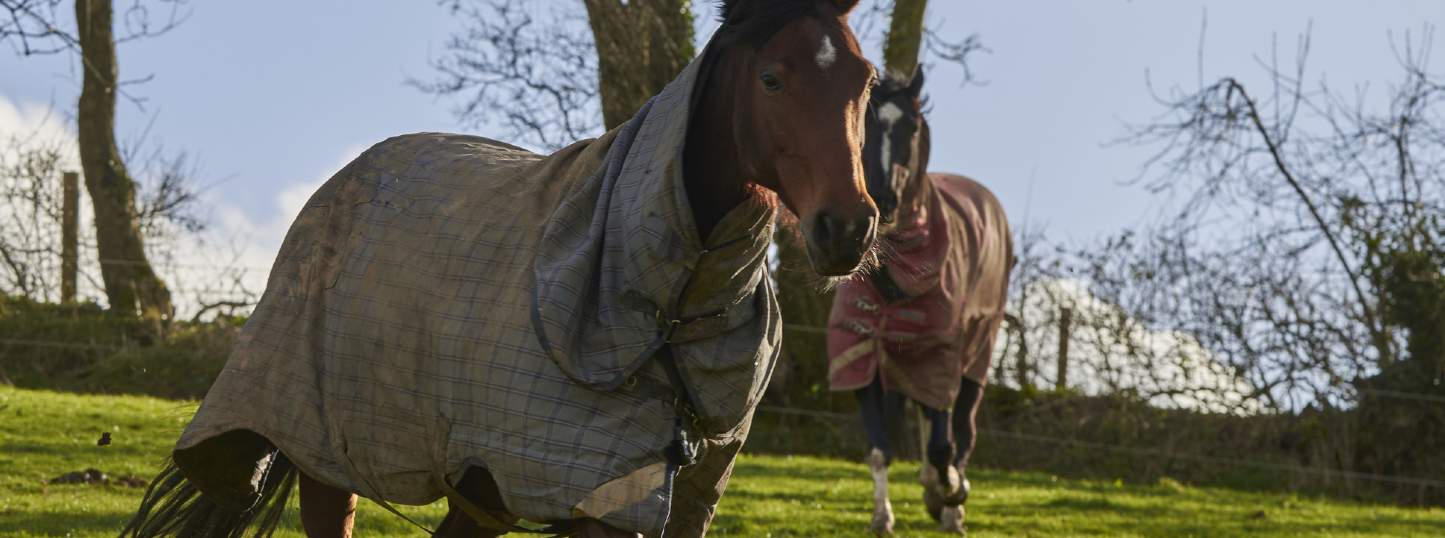
As horse and pony owners adjust to starting the morning routine before sunrise, and with earlier dark nights and wet weather upon us, here are some tips to help make the next few months a little more bearable:
HEAVY RAIN IS A REAL ENEMY
Paddocks quickly turn from smooth, grassy grazing into brown poached areas with pools of standing water. To help manage the effects of the inevitable downpours, check all drains and drainage channels are clear from fallen leaves and other debris which will limit their usefulness. If there isn’t any field drainage for the worst affected areas, which tend to be around the gateways, and where horses naturally congregate, consider digging out some of the turf and replacing it with grass matting (although the best time to install this is in the spring). Wood chip or gravel can help minimise damage in the short term.
ALL YEAR TURNOUT
About three-quarters of horse owners are lucky enough to have some form of winter turnout, but to ensure the pastures last until the spring it is advisable to rotate the grazing or designate a field for the winter months. Ideally, use the paddock with the best drainage, which is unlikely to flood and where possible has more than one access point to prevent the same areas becoming badly poached.
LET THERE BE LIGHT
Head torches were a useful invention but having adequate light around a yard and ideally near paddocks will help avoid accidents as well as making all necessary tasks considerably easier. Lighting is also a good security feature, particularly when motion sensors are installed. Whether you have a large equestrian setup or a small private yard, solar power is worth considering. It can be especially useful for smaller yards without power.
WATER SUPPLY
Check supplies to field troughs and wash-down areas for leaks: while water will filter away during the warmer months it can become a frozen ice rink once temperatures drop. It is also worth making sure pipes are lagged, with foam insulation or by wrapping with old rugs or towels, to help prevent them from freezing and potentially bursting. Placing a football in your water troughs can reduce the likelihood of freezing. If you are using automatic waterers, ensure they are winter-proofed and regularly checked.
Arena Care
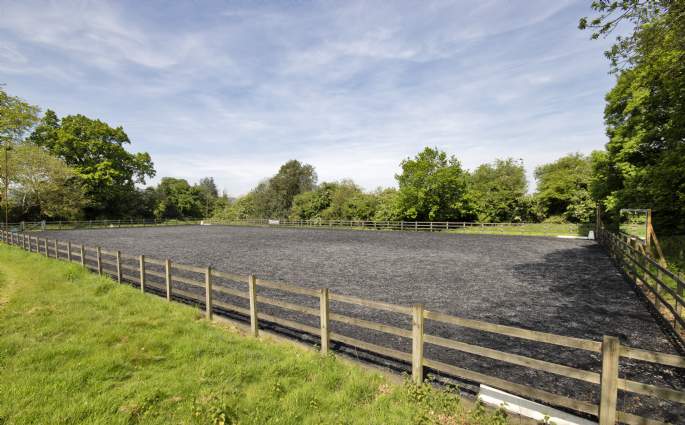
Training facilities are likely to have more use during the winter months. For an outdoor arena, drainage is key – regular harrowing helps maintain the surface and encourages proper water drainage. Consider adding drainage channels or topping up with a fresh surface material to avoid standing water which can freeze and make the surface unsafe. Surface upkeep is also important for indoor arenas, to keep the footing consistent, as well as ventilation to prevent damp and mould. If there are a number of people all wanting to use it before and after work consider setting up a rota to avoid latecomers becoming frustrated.
Drying Wet Rugs
If at all possible create a designated area with hanging for drying out wet rugs and other pieces of kit. Not everywhere benefits from a heater but having somewhere under cover is a good start.
Here is a selection of equestrian properties currently on the market:

.jpg "Kingswood (Harpenden)")
.jpg "Kingswood (Harpenden)")


.jpg "Pound Farm")
.jpg "Pound Farm")


.jpg "Stream Farm, Hindhead")
.jpg "Stream Farm, Hindhead")
.jpg "Blueridge Equestrian Centre, Falkirk, Stirlingshire")
.jpg "Blueridge Equestrian Centre, Falkirk, Stirlingshire")







.jpg)
.jpg)
.jpg)